Seven years of freelance work, mostly with professional firms, mostly in London, sometimes a lot further afield than that.
Alexander is an independent corporate videographer working with B2B clients across the UK and beyond. The work is centred on professional firms: law, consultancy, engineering, finance and the institutions around them.
Each project lands in one of a few familiar shapes: a corporate event that needs filming end-to-end, a recruitment campaign that needs trainee stories, a transformation case study that needs telling properly, or a mini-documentary that wants the kind of attention only a small, focused crew can give it.
What sits underneath all of it is a calm hand on set, broadcast-grade audio, considered framing, and an edit that respects what the firm is actually trying to say.
MEETIn his own words
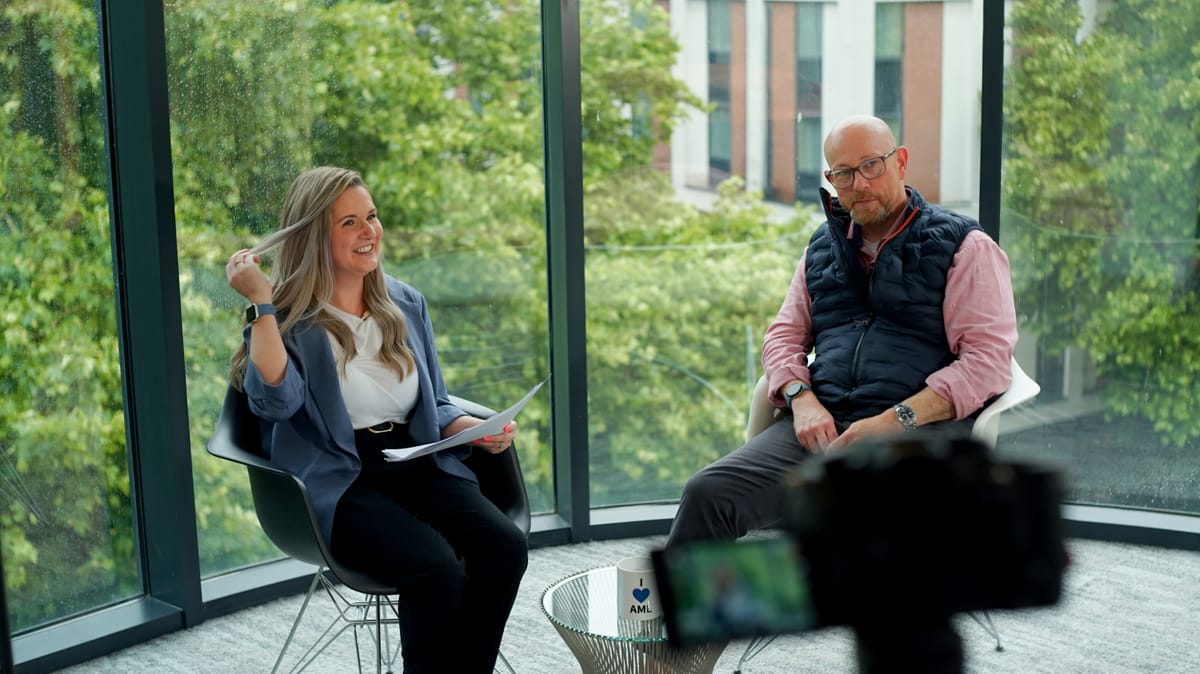
A few words, from in front of the camera.
A short film by way of introduction. Useful for anyone who'd like to see and hear Alex before getting in touch.
ON SETBehind the scenes
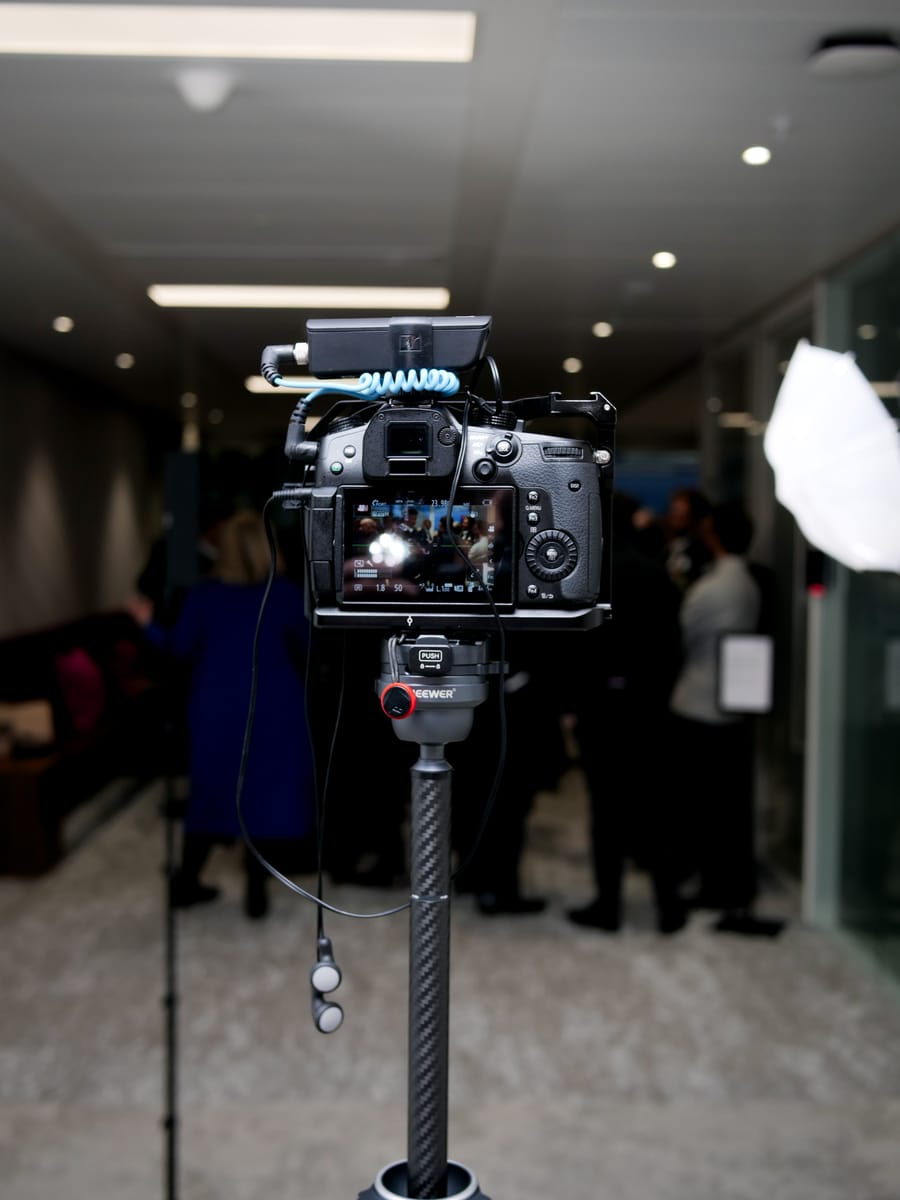
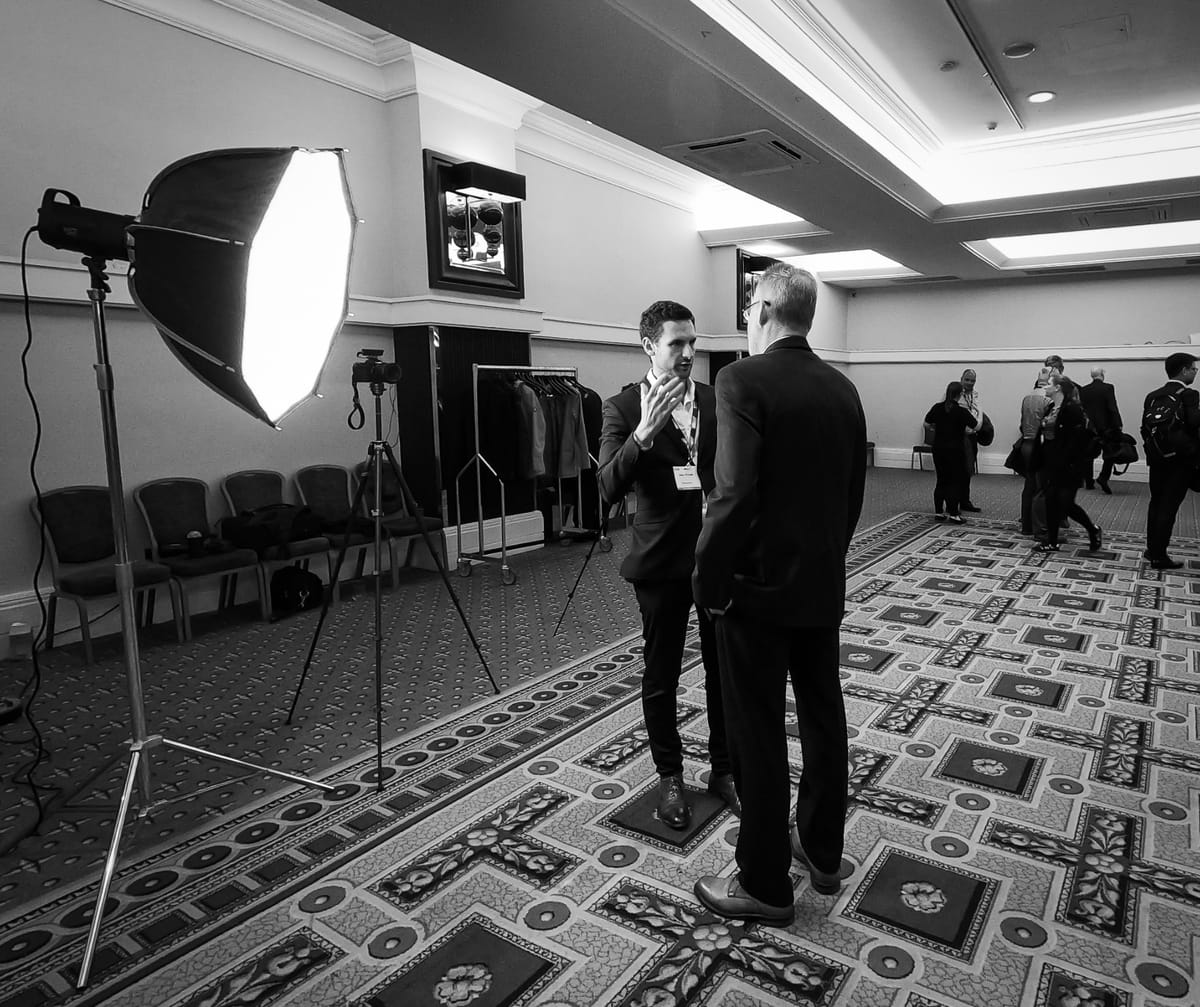
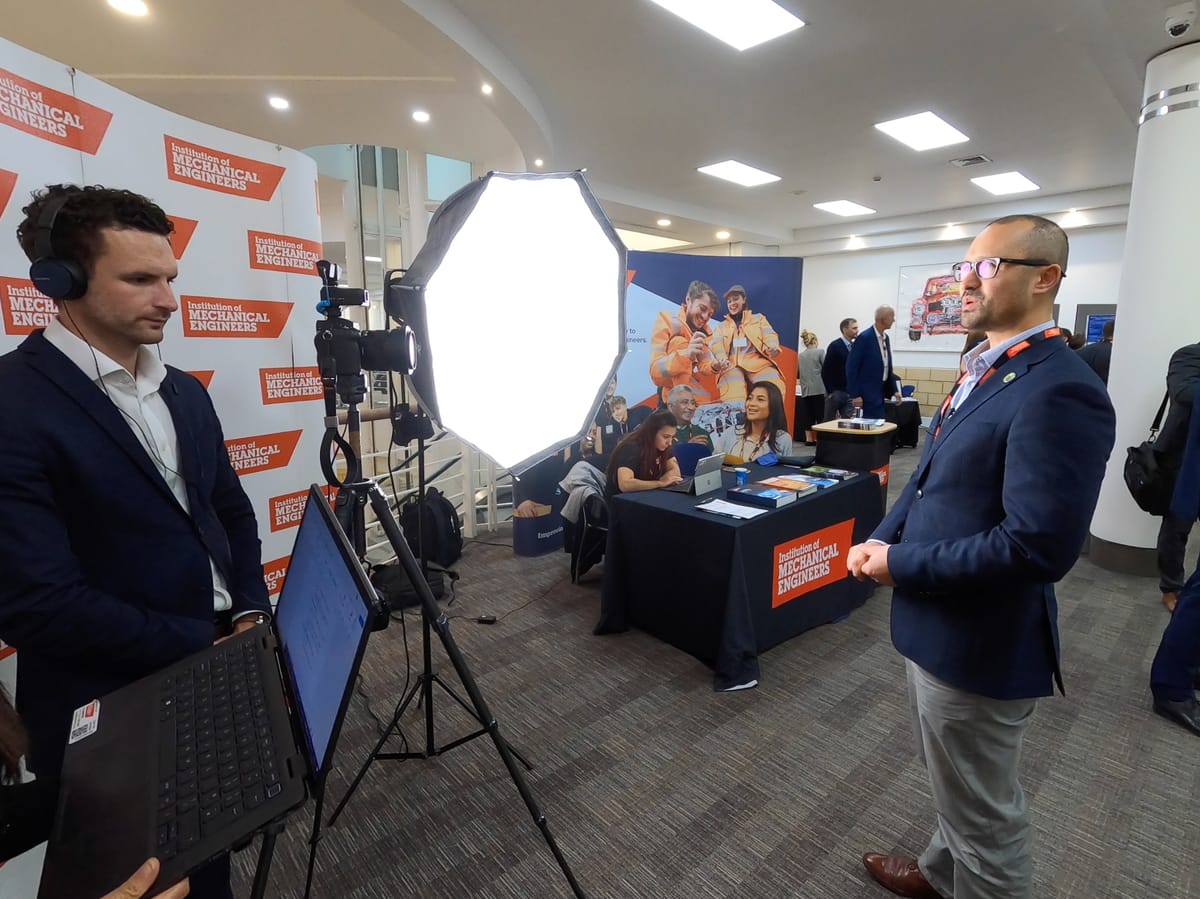
The work, as it happens.
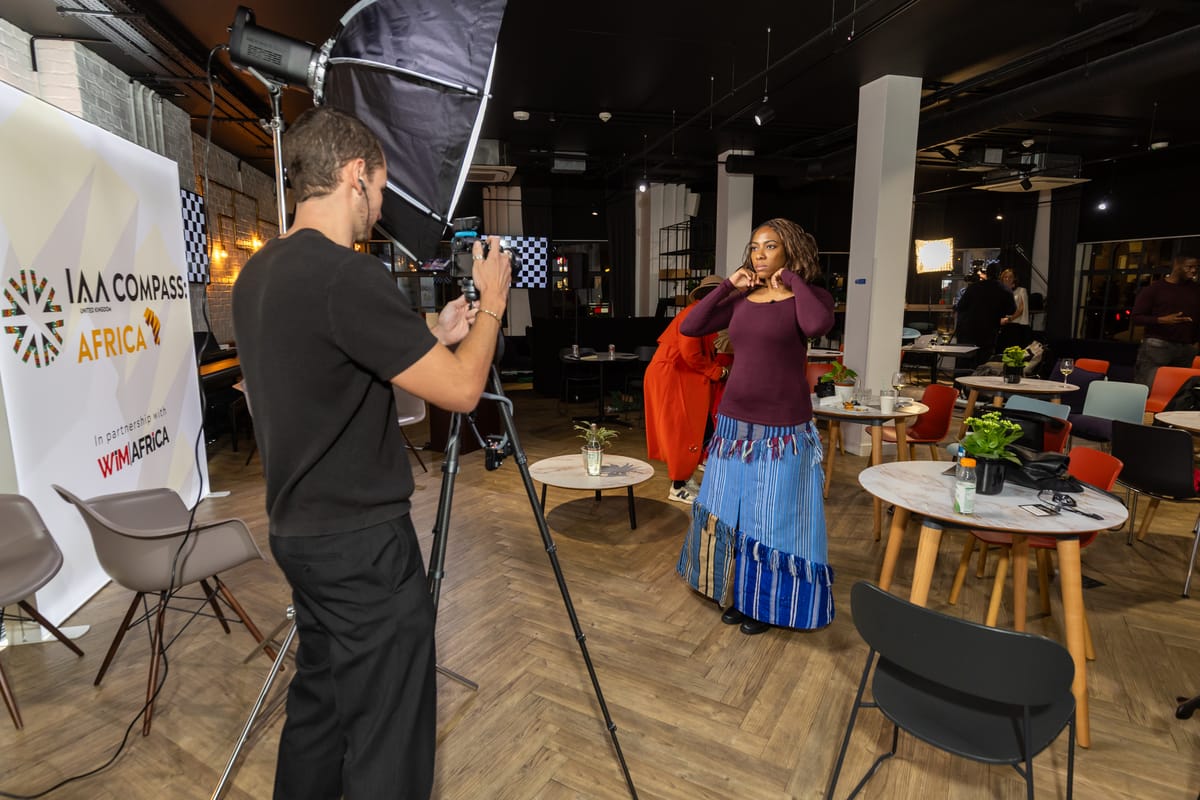
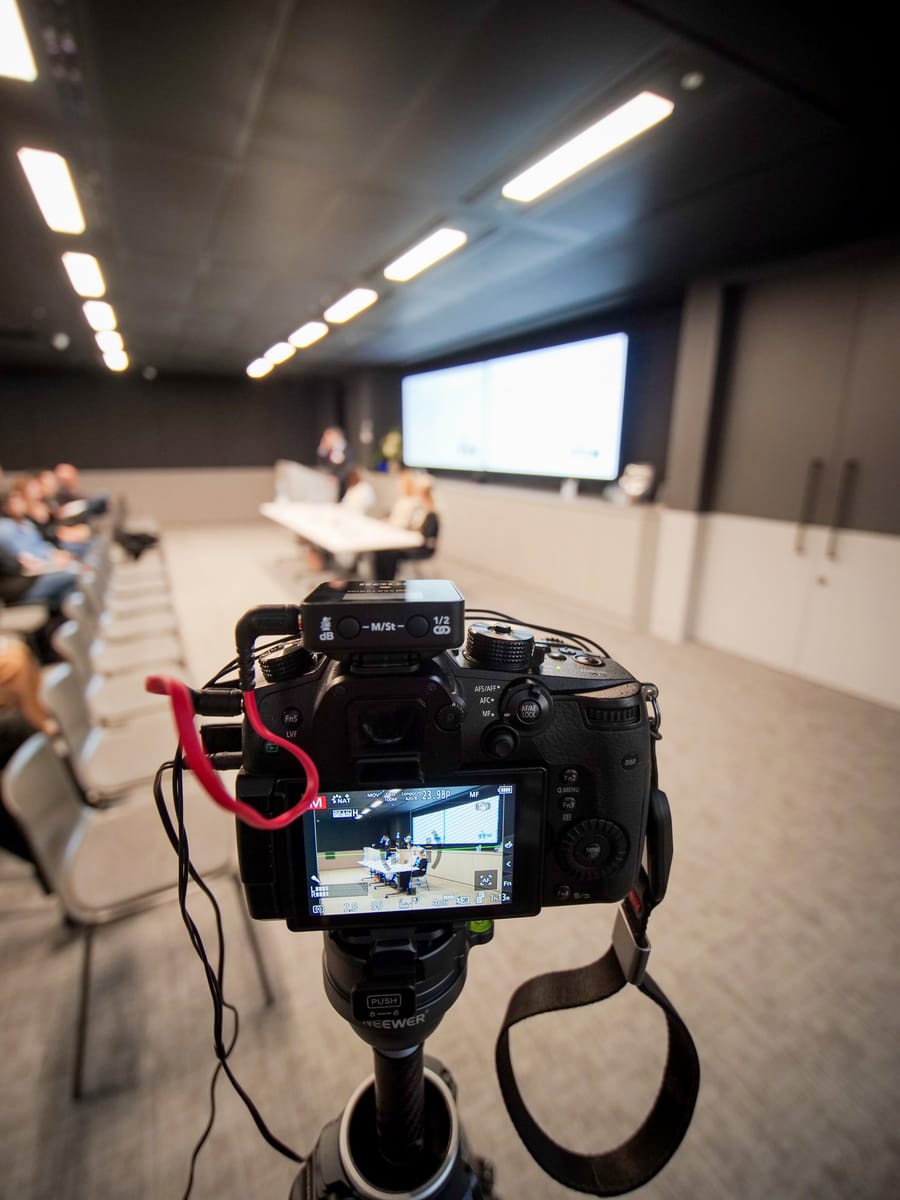
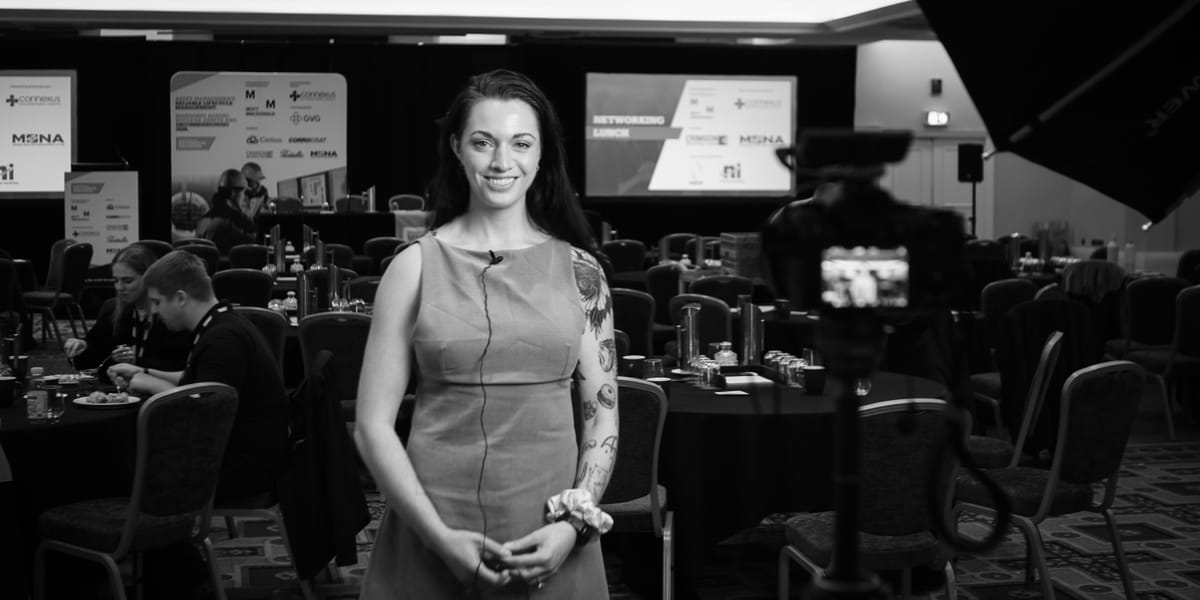
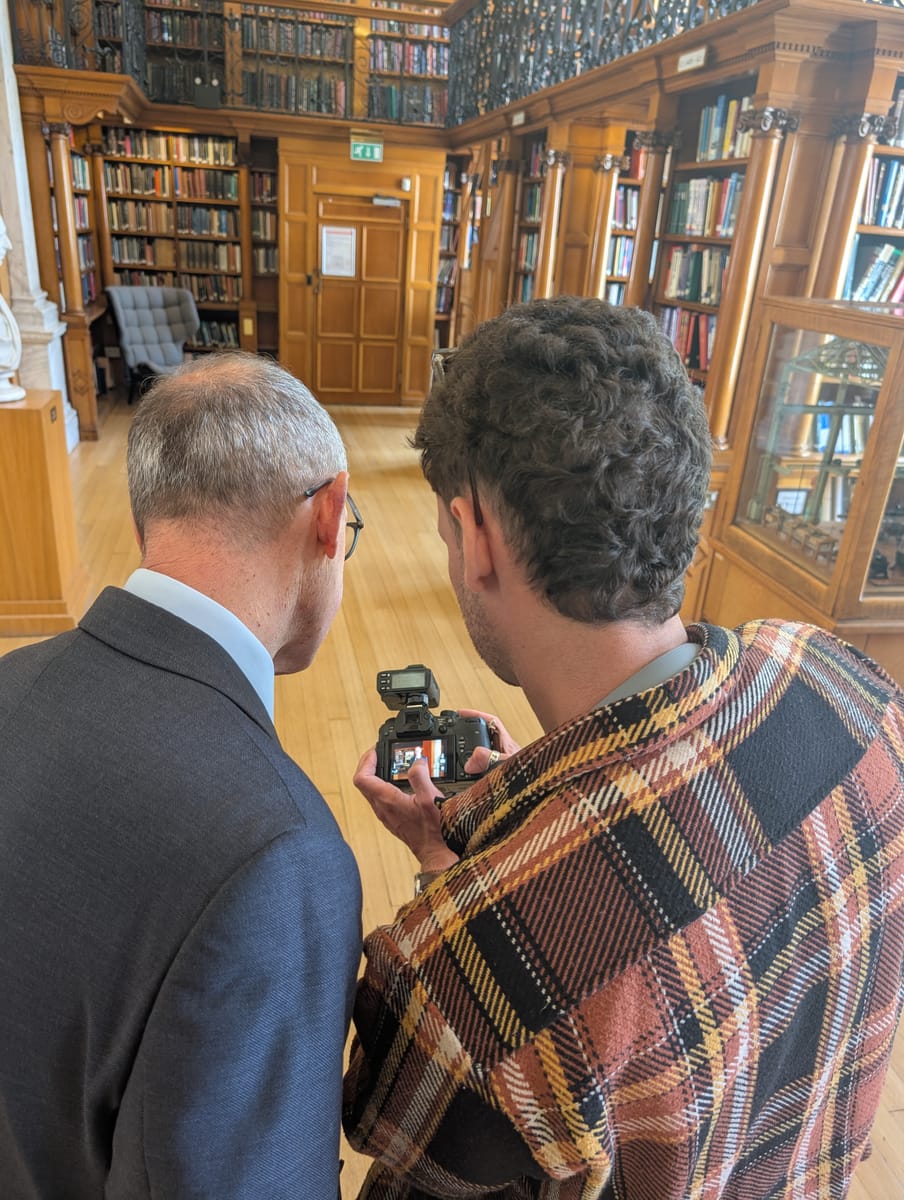
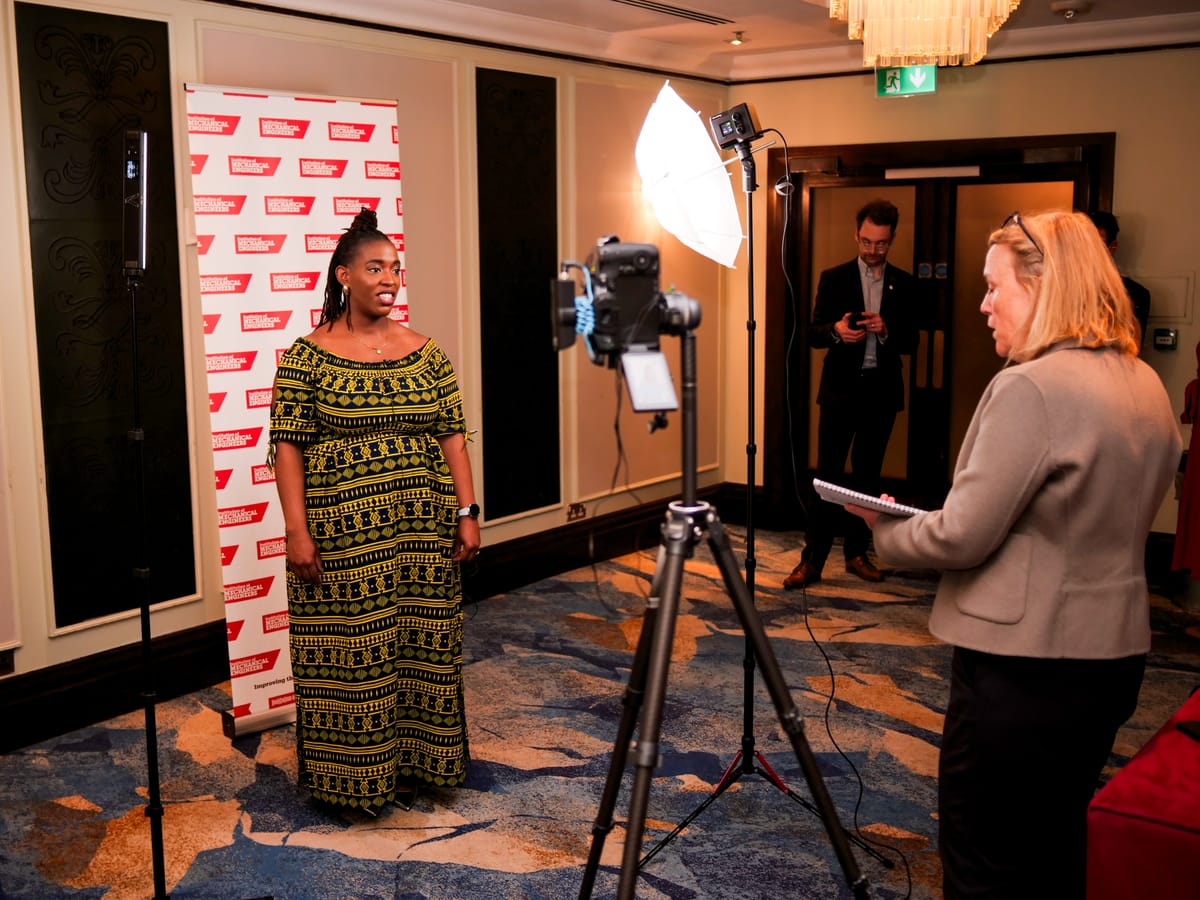
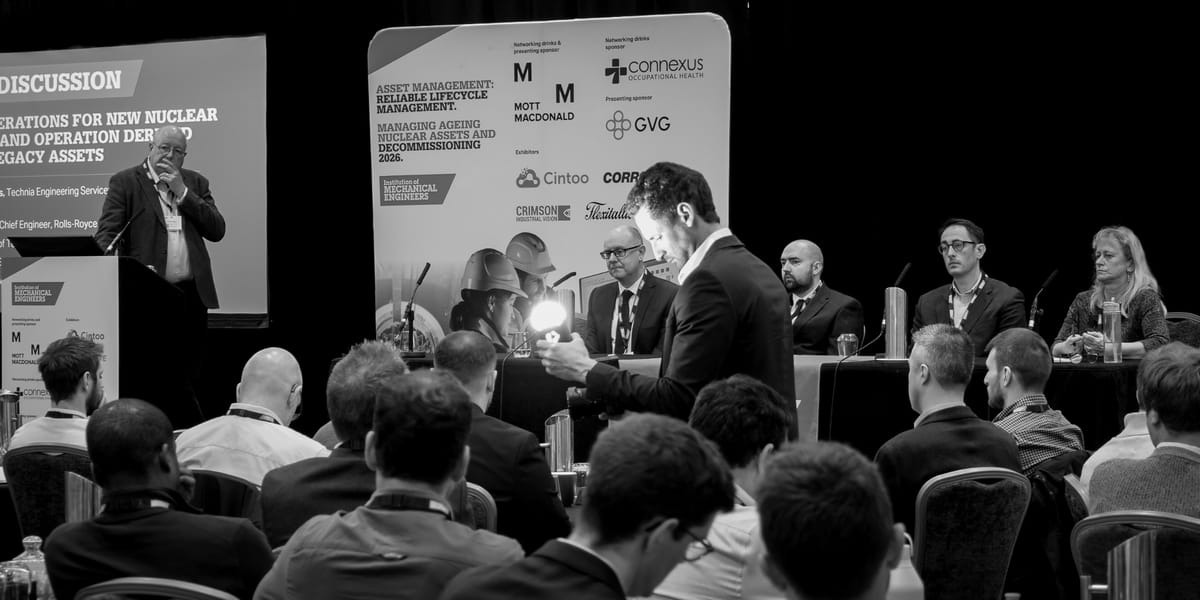
A few frames from recent shoots: events, interviews, conferences and panels. Some shot properly, some grabbed on a phone between setups. All of it real, all of it ours.
CH. IILessons
Seven years of freelance: ten lessons.
What seven years of independent B2B videography actually teaches you, ranked by how often each one has saved a shoot.
I
Expect the unexpected on a corporate shoot
In B2B videography, technical issues and unforeseen circumstances are part of the job. Memory cards fail. Flights get delayed. Kit goes missing. Staying calm and bringing real contingency keeps the project on track when the day refuses to read the brief.
II
Networking is most of the work
Freelance success rests on professional relationships. Clients come back, and refer you on, when the experience is good. Word-of-mouth still beats almost everything else; the portfolio and the website support it, they don't replace it.
III
Go further than the brief asks
Corporate projects evolve as you film them. The deliverables matter, of course, but the moments captured in passing, an extra interview, a piece of b-roll, a behind-the-scenes still, are often what a client remembers and what brings them back.
IV
Know your kit cold
Professionalism starts with knowing your camera, your lenses, your lighting, your audio. Knowing the kit in your sleep means fewer surprises on set, fewer re-shoots, and the confidence to make creative choices in the moment.
V
Document the making, not only the result
The final film matters, but the process is the marketing. Behind-the-scenes stills and clips are social proof, content, and a personal archive of how a piece of work actually got made. The good ones win you the next job.
VI
Plan for the slow months
Freelance income is uneven by nature. Quiet months happen. Asking for sensible upfront payments, putting tax aside as it comes in, and keeping a runway means the slow weeks don't reach into the next project.
VII
Start before you feel ready
Perfectionism is a brake. The real lessons in this craft come from real shoots, not from preparation. Starting before everything is in place builds the resilience and the practical know-how that no amount of planning will teach.
VIII
Hold the room
Whether it's a corporate interview or a thousand-person conference, the energy on set comes from the person behind the camera. Confidence, clear direction, and steady feedback to participants is what turns a nervous interviewee into a film worth watching.
IX
Share the work; the imposter goes quiet
Trends come and go. Authenticity, and a consistent run of work shared publicly, is what builds a recognisable style. The right clients are drawn to a videographer who is sure of what they make.
X
Follow up, every time
The best opportunities in B2B video come from long-term relationships. A short message to a past client, a check-in with an industry contact, the occasional update on what's new: small moves that keep the door open and the calendar full.
CH. IIIGet in touch
Project in mind? Let's begin.
If you have a brief, a rough idea, or a date in the diary, the easiest move is a quick conversation. From there we can scope the work, the kit, and the deliverables together.